Transforming Technology into a Trusted Travel Ally for Senior Tourists
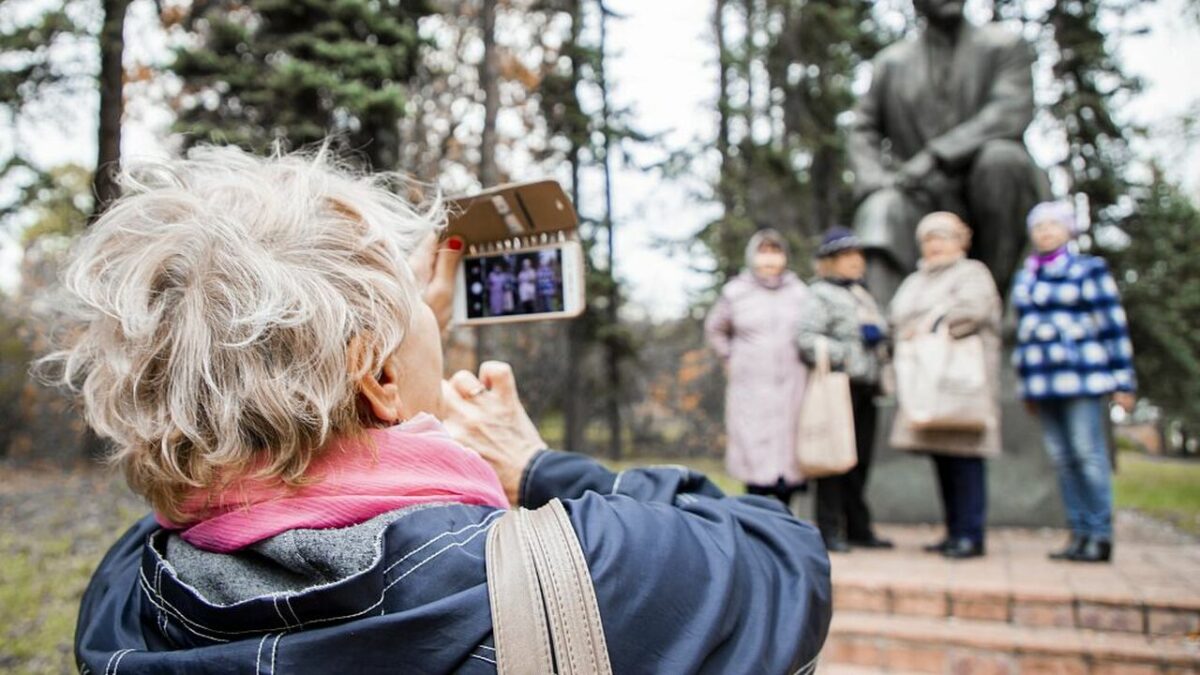
For many years, travel for seniors relied on traditional methods: conventional travel agencies, fixed itineraries, and minimal technological assistance. Today, this model coexists with a new reality. Increasingly, travelers in their 50s, 60s, and 70s are leveraging their smartphones as primary tools for planning, navigating, and addressing unforeseen issues during trips. This isn’t about reckless technology use but rather a selective approach focused on safety and clarity throughout the travel process.
According to a study by the American Association of Retired Persons (AARP), over two-thirds of older adults use smartphones while traveling, with maps, transportation, booking, and local information apps being the most popular.
The trend is clear: older travelers aren’t rejecting technology, but they do avoid complexity. The same report highlights that many respondents feel overwhelmed by the sheer number of available apps and their non-intuitive interfaces, underscoring a gap between design and practical use.
AARP, a prominent U.S. non-profit organization representing individuals over 50, is a leading source of information on active aging. With over 38 million members, it regularly conducts studies on consumer habits, technology, health, employment, and tourism, which serve as references for analyzing changes in the needs and habits of the adult population at different life stages.
This discrepancy stems not from age but from design issues. Small fonts, fragmented navigation, excessive notifications, and a lack of user support are common barriers. When these obstacles are minimized, technology adoption rates rise. At that point, ease of use becomes a crucial factor in building user trust.
Ease of Use as a Form of Care
Highly rated apps among adults share common features: readable fonts, straightforward navigation, centralized information, and quick access to support. Maps, transportation, health, booking, and experience apps top the list of favorites, provided that technology acts as an auxiliary tool rather than a necessity.

These changes are also reflected in tourist destinations. Reports on the “silver economy” indicate that tourism digitalization is being approached from a more inclusive perspective, not only in terms of communications but also considering a slower travel pace, physical and digital accessibility, and ongoing assistance before, during, and after travel.
In Argentina, the profile of travelers over 70 supports this idea. Recent data show that this demographic uses technology to gather information and plan trips but prioritizes safety, predictability, and trust over novelty. Technology is valued when it reduces uncertainty and allows for scenario anticipation.
From App to Travel Companion
Insights gained in the tourism sector are beginning to manifest in specific changes. Nicolas Posse, Civitatis’ Regional Manager for Argentina and responsible for business development in Chile, Uruguay, and Paraguay, describes the evolving role of apps.
“For older travelers, ease of use has become key to building trust. If an app is difficult to use, it creates distrust. That’s why we’re working on centralizing all tourist information in one place and eliminating fragmentation,” he explains. This travel-focused approach consolidates bookings, events, and key data into a single location, aiming to reduce technology-related burdens.
Another crucial aspect is personalization. “Artificial intelligence should assist without being intrusive. Our planner selects relevant recommendations based on the travel context. It’s not about showing everything but offering what’s useful,” Posse emphasizes. From the platform’s experience, older travelers value carefully curated content over an abundance of choices.
Reviews from older users have also yielded clear results. Based on over five million verified reviews, the platform has established that safety is the top priority for this demographic. “That’s why we’ve strengthened our continuous support and offline access to information. Knowing that travel data is available even without an internet connection reduces anxiety,” they added.
“This allows travelers, especially in international destinations where connectivity might be disrupted, to always have access to vouchers and necessary information about tours in Spanish, maintaining calm and control over their journey,” says the specialist.
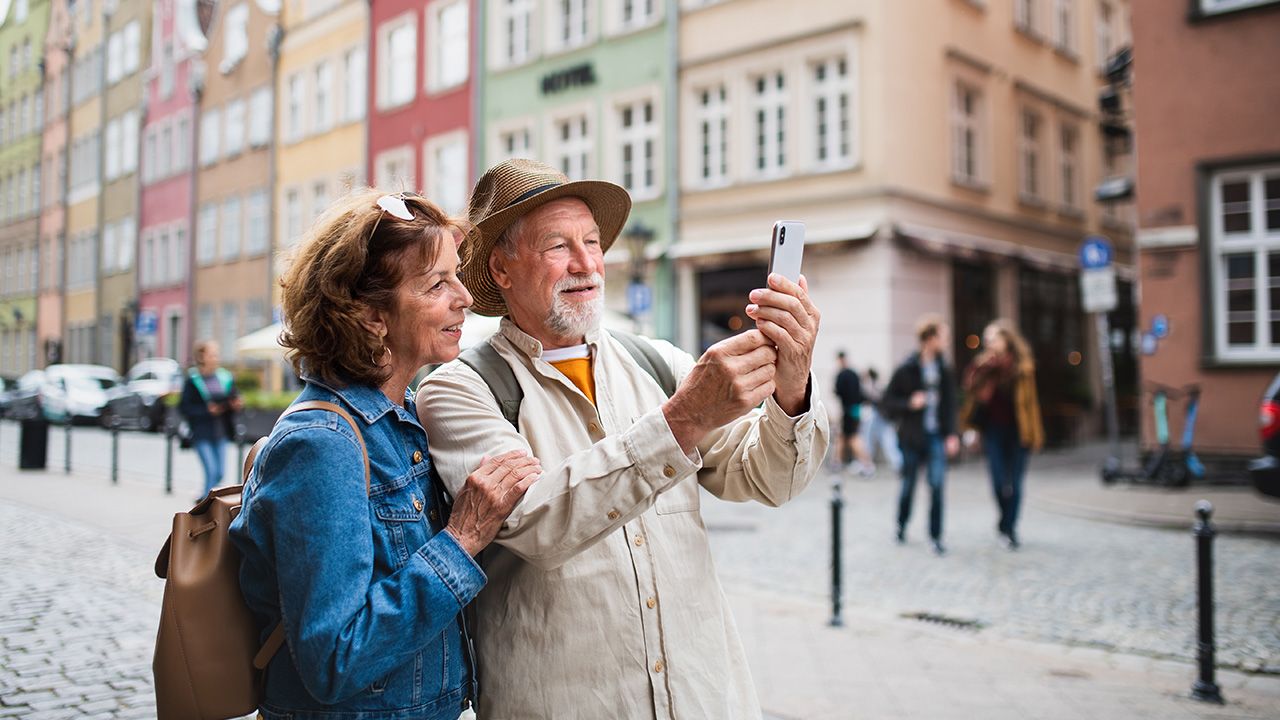
Mobile technologies don’t replace human connections; instead, they reinforce their role as supportive tools. Tourism for seniors is neither entirely analog nor fully digital—it’s a technologically selective experience. It incorporates what works, discards what hinders, and values innovations that enhance experiences. This balance is central to the future of tourism.